
The Camino Today
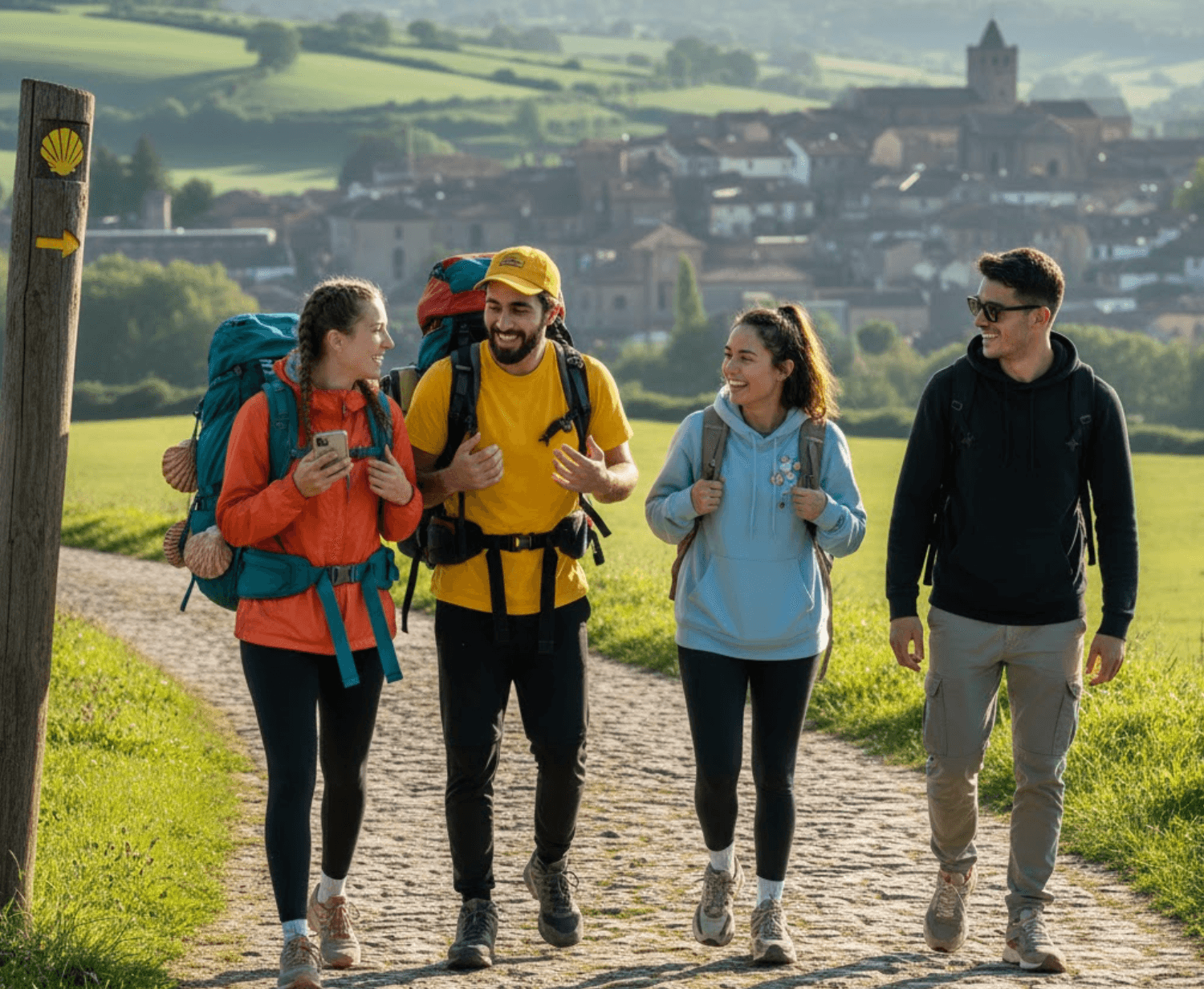
The Camino de Santiago is one of the most iconic pilgrimage routes in the world, attracting hundreds of thousands of walkers every year. While it has roots stretching back over a thousand years, the Camino today is a vibrant blend of tradition, personal reflection, and cultural exploration. Modern pilgrims come from all walks of life, drawn by reasons as varied as spirituality, self-discovery, and adventure. Understanding what the Camino represents today helps both first-time pilgrims and seasoned walkers appreciate the depth of this journey.
Why People Walk the Camino Today
The reasons for walking the Camino are as diverse as the people who walk it. Today's pilgrims are motivated by a mix of spiritual, personal, cultural, and physical factors.
Spiritual Reasons
For many, the Camino remains a deeply spiritual experience. While it is no longer exclusively a religious pilgrimage, walking to Santiago allows pilgrims to reflect, meditate, and connect with a sense of something greater than themselves. Churches, quiet forests, and centuries-old monasteries offer spaces for contemplation. Some pilgrims walk to reconnect with their faith, others simply seek a sense of inner calm. While it is no longer exclusively a religious pilgrimage, walking to Santiago allows pilgrims to reflect, meditate, and connect with a sense of something greater than themselves. Churches, quiet forests, and centuries-old monasteries offer spaces for contemplation. Some pilgrims walk to reconnect with their faith, others simply seek a sense of inner calm.
Personal Transitions
Life changes often inspire people to walk the Camino. Graduations, retirements, career shifts, relationship transitions, or even moments of loss prompt a desire for reflection. The Camino provides a structured time for introspection, allowing walkers to process emotions, set intentions, or mark a personal milestone. Many pilgrims speak of arriving at Santiago with a sense of closure, clarity, or new beginnings.
Cultural Curiosity
The Camino is also a cultural journey. From the architecture of Romanesque churches to the cobbled streets of medieval towns, pilgrims experience living history at every step. Each route passes through unique landscapes, regional cuisines, and local traditions. Walking the Camino allows travelers to connect directly with Spain's culture in a way that no guided tour can replicate.
Physical Challenge
Walking 15–25 kilometers a day, often over consecutive weeks, presents a significant physical challenge. Many pilgrims are motivated by the desire to test their endurance, strengthen their bodies, or simply enjoy long days outdoors. The Camino's variety of terrains—from gentle plains to mountain passes—offers something for walkers of all abilities, and reaching Santiago is often a deeply rewarding achievement.
Digital Detox
In our connected world, the Camino offers a rare opportunity for digital detox. Many pilgrims deliberately leave devices behind or limit screen time, embracing a slower pace of life. Without constant notifications or schedules, walkers can focus on mindfulness, connection with others, and appreciation of the natural surroundings. This unplugged experience is often cited as one of the Camino's most transformative aspects.
The Social Side of the Camino
Despite its reputation as a personal journey, the Camino is inherently social. Shared experiences create a sense of camaraderie and community that many describe as a "Camino family."
Camino Family
People meet fellow pilgrims from around the world, sharing stories, advice, and encouragement. Friendships often form quickly, with travelers walking together for hours or even days, offering support during difficult stretches, and celebrating milestones together. For many, the people encountered along the way are as memorable as the landscapes. Shared experiences create a sense of camaraderie and community that many describe as a "Camino family." People meet fellow pilgrims from around the world, sharing stories, advice, and encouragement. Friendships often form quickly, with travelers walking together for hours or even days, offering support during difficult stretches, and celebrating milestones together. For many, the people encountered along the way are as memorable as the landscapes.
Shared Meals and Albergues
Meals are a central part of Camino social life. Pilgrims often gather at albergues or restaurants to eat together, exchange experiences, and plan the next stage. Pilgrim menus, typically two courses with bread, dessert, and wine, foster a communal atmosphere. Evening conversations in albergues, over tired smiles and blistered feet, often lead to lasting friendships.
Walking Alone but Never Lonely
Even those who walk alone rarely feel isolated. The shared rhythm of the Camino—waves of pilgrims on the same path, communal albergues, friendly greetings of "Buen Camino"—creates an environment where walkers are connected by a common purpose. Solitude and companionship exist side by side, allowing pilgrims to reflect while remaining part of a larger community.
Camino Symbols and Traditions
The Camino is rich with symbols and traditions, some ancient, some modern, that guide, motivate, and connect pilgrims.
Yellow Arrow
The yellow arrow is the Camino's most famous marker, guiding walkers from village to village. Its presence provides reassurance and continuity, especially in rural or remote areas, reminding pilgrims that they are on the right path. guiding walkers from village to village. Its presence provides reassurance and continuity, especially in rural or remote areas, reminding pilgrims that they are on the right path.
Scallop Shell
The scallop shell, worn on backpacks or clothing, identifies pilgrims and symbolizes the journey's many paths converging in Santiago. Historically, it served as a proof of pilgrimage and is still used today as a badge of honor and recognition.
Walking Stick
The walking stick, or pilgrim's staff, is both practical and symbolic. It provides support on difficult terrain and represents a pilgrim's journey, a physical and spiritual aid on the long path.
"Buen Camino"
The ubiquitous greeting "Buen Camino!" is more than polite—it is a cultural ritual. It acknowledges fellow pilgrims, spreads goodwill, and strengthens the communal spirit of the journey.
Practical Camino Culture
Albergues Explained
Understanding the practical aspects of the Camino helps pilgrims navigate smoothly and avoid common pitfalls. Albergues, or pilgrim hostels, are central to the Camino experience. There are two main types: public albergues, usually run by municipalities or churches, offer basic accommodations at low cost; private albergues, often more comfortable, provide additional amenities for a fee. Booking practices vary. Some albergues accept walk-ins, while others may require advance reservations, especially in peak season. Familiarity with rules and etiquette ensures a smoother stay.
Camino Etiquette
Respect is key to communal living on the Camino: sharing space—pilgrims must be mindful of personal space in dormitories, bathrooms, and kitchens; noise and lights—early mornings and late nights are part of Camino rhythm, being quiet and considerate is essential; cleanliness and cooperation—everyone pitches in to maintain communal areas, reflecting the Camino's ethos of mutual respect.
Food on the Camino
Food is both sustenance and cultural exploration. Pilgrim menus offer affordable, hearty meals often including regional dishes, dessert, and wine. Pilgrims eat at times that match their walking rhythm, often with a light breakfast and packed lunch. From Galicia's octopus to Navarra's chistorra, regional specialties enhance the experience.
Camino Myths & Misconceptions
The Camino is surrounded by myths that can intimidate new pilgrims. Understanding the reality allows walkers to approach it with confidence: "You have to be religious"—pilgrims come for diverse reasons, faith is optional; "You must walk long distances"—there is no fixed distance, walkers set their own pace; "You need months to do it"—the Camino can be completed in a few days or weeks, depending on route and schedule; "You must follow the stages"—traditional stages exist, but modern pilgrims plan flexibly, adapting to fatigue, weather, and personal preference.
The Camino as a Personal Journey
Everyone Walks Their Own Camino
Ultimately, the Camino is what each pilgrim makes of it. No two Caminos are identical. Each walker chooses their route, pace, and companions—or opts for solitude. The journey is personal, shaped by inner reflection and external experiences.
Comparison vs Self-Listening
It is common to compare oneself to others, but the Camino encourages self-listening. Personal growth comes from paying attention to one's body, mind, and emotions rather than measuring progress against fellow pilgrims.
Letting Go of Expectations
Many find that the Camino's most profound lessons emerge when they release expectations. Flexibility, openness, and presence allow the journey to unfold naturally, making every step meaningful, whether challenging or serene.
Conclusion
The Camino today is a rich tapestry of personal exploration, cultural immersion, and social connection. Walkers seek spiritual renewal, personal milestones, adventure, or a chance to unplug, all while being part of a centuries-old tradition. Pilgrims experience the Camino as both an individual and collective journey, sharing meals, stories, and encouragement along the way. Symbols like the yellow arrow, scallop shell, and walking stick, and customs such as albergue etiquette and "Buen Camino" greetings, create a shared culture that transcends borders. Misconceptions about the Camino give way to personal discoveries, and each step becomes a testament to the walker's courage, curiosity, and reflection. Whether seeking spiritual insight, cultural connection, or simply a path to oneself, the Camino de Santiago remains a transformative journey for anyone willing to walk it. It is as much about the journey within as the kilometers covered, and every pilgrim finds their own meaning on this timeless trail.
Buen Camino.