
Not Everyone Walks to Santiago in the Same Way
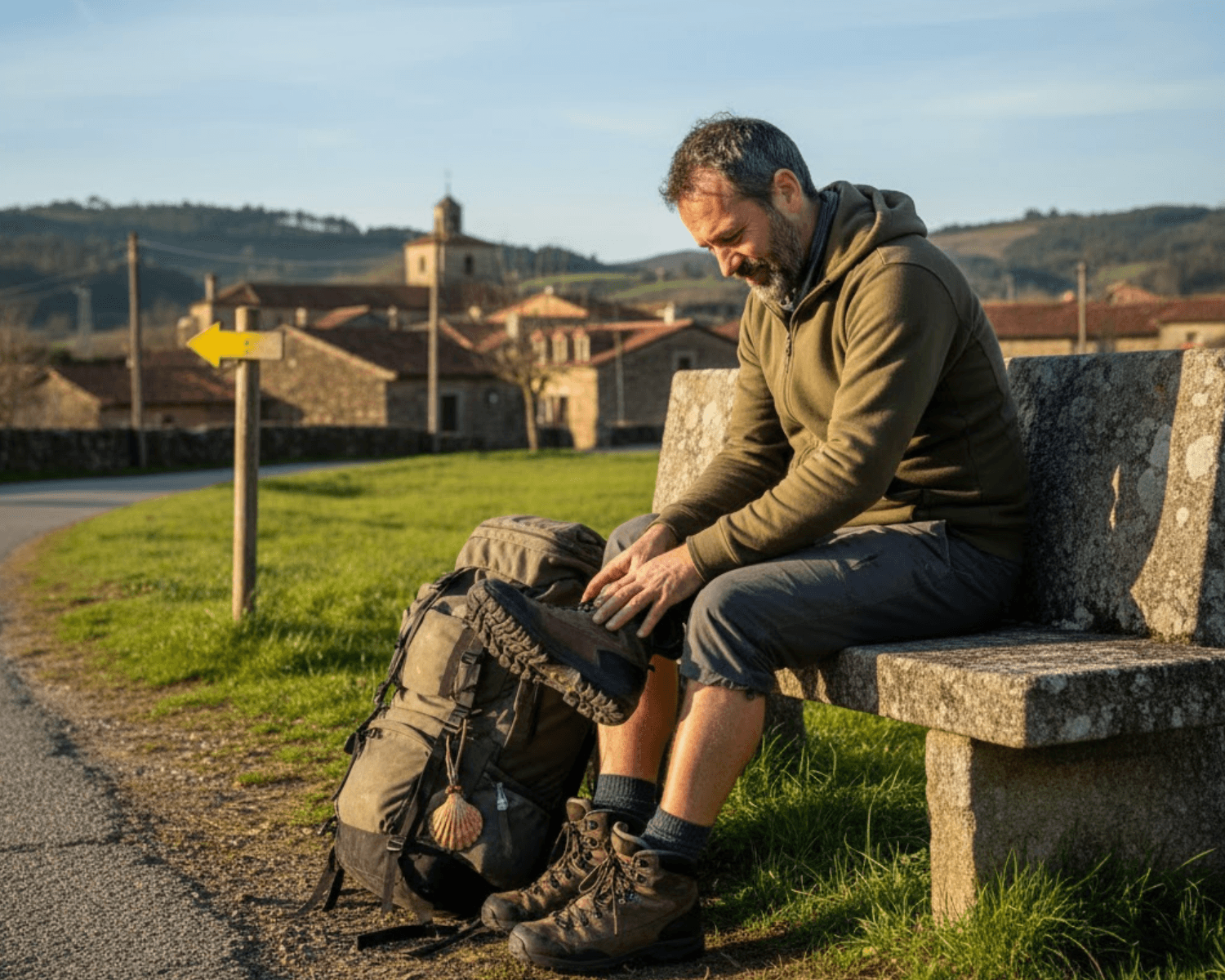
One of the first things many pilgrims discover on the Camino de Santiago is that there is no single "right" way to walk it. Some people move fast, others slowly. Some walk long distances day after day, while others take frequent breaks or rest days. Comparing yourself to others can quickly lead to frustration or injury. The Camino is not a competition—it's a personal journey, and each pilgrim reaches Santiago in their own way.
Finding Your Personal Daily Pace
Your daily pace should feel sustainable, not impressive. In the first days especially, it's easy to walk too fast, carried by excitement or influenced by others around you. A good pace is one that allows you to breathe comfortably, talk while walking, and still have energy at the end of the day. Over time, your body will naturally find its rhythm. Trust that process instead of forcing a pace that doesn't feel right for you.
Distances Are Ranges, Not Fixed Numbers
Guidebooks and apps often suggest daily stages with exact distances, but the Camino doesn't work in rigid numbers. Some stages are flat and forgiving, while others include steep climbs, long descents, or rough terrain. Weather also plays a role. Instead of aiming for a fixed number of kilometers every day, think in distance ranges. Some days 25 km will feel easy; other days 15 km may be more than enough. Adapting your distance to the conditions is a sign of experience, not weakness.
Listening to Your Body
Your body constantly gives you feedback—you just need to pay attention. Mild muscle soreness is normal, especially at the beginning, but sharp pain, persistent discomfort, or worsening fatigue are warning signs. Hot spots on your feet, tight tendons, or unusual aches shouldn't be ignored. Stopping early, stretching, icing, or adjusting your plans can prevent small issues from turning into injuries that end your Camino altogether.
Knowing When to Slow Down
Slowing down is not failing; it's a skill. Many experienced pilgrims will tell you that their best decisions were the days they chose to walk less, start later, or stop early. If you're feeling unusually tired, emotionally drained, or mentally unfocused, it may be time to reduce your pace. The Camino is as much mental as it is physical, and exhaustion often shows up in subtle ways before the body forces you to stop.
When to Stop—or Take a Rest Day
Sometimes the smartest choice is to stop completely for a day. Rest days allow your body to recover, your feet to heal, and your mind to reset. Taking a day off doesn't break the Camino—it's part of it. Many pilgrims look back and realize that rest days were when they truly absorbed the experience, connected with others, or gained clarity. Listening to your body and respecting its limits is one of the most important lessons the Camino teaches.
Reaching Santiago is not about how fast or how far you walk each day. It's about arriving healthy, present, and able to enjoy the journey. When you walk at your own pace, adapt your distances, and listen to your body, the Camino stops being something you endure and becomes something you live. And that, for many, is the true destination. Buen Camino.