
Planning Your Camino with the Mi Buen Camino App
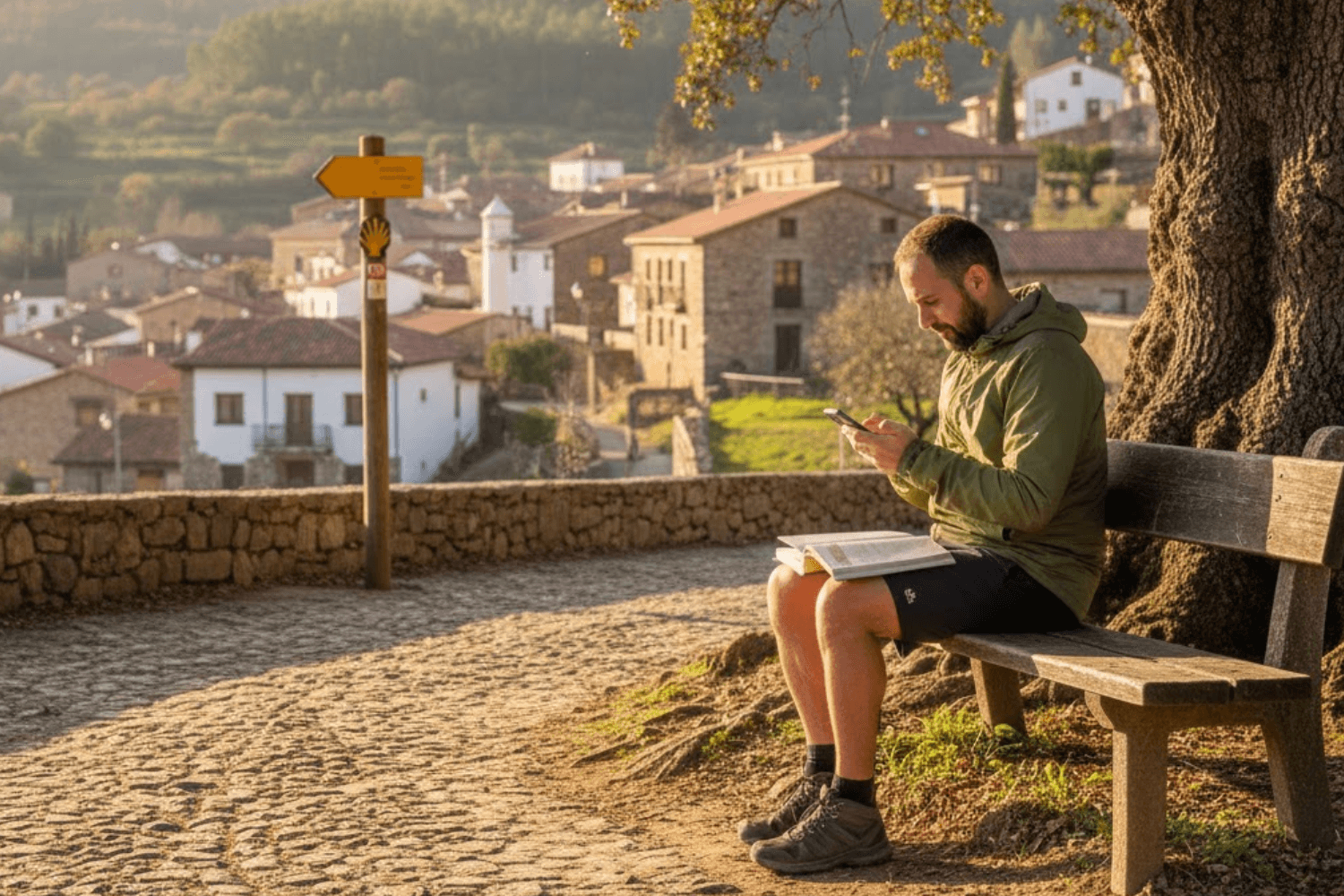
Many pilgrims start their Camino using traditional stages found in guidebooks or online itineraries. While these fixed stages can be helpful as a reference, they often assume that everyone walks at the same pace, has the same physical condition, and faces the same daily circumstances. In reality, no two Caminos are alike. Planning with rigid daily distances can create unnecessary pressure and lead to fatigue, frustration, or even injury. A better approach is one that adapts to you, not the other way around.
Why Traditional Stages Don't Work for Everyone
Traditional stages are usually designed for an "average" pilgrim, but such a pilgrim rarely exists. Some days include long climbs or steep descents, while others are flat and forgiving. Weather, trail conditions, and crowd levels also vary. Following a fixed plan can push you to walk farther than you should on hard days or stop too early on easy ones. Flexibility is key, and modern planning tools make it easier than ever to move beyond rigid stages.
What Affects Your Daily Walking Distance
Your daily walking distance is influenced by a combination of physical, mental, and external factors, all of which can change from one day to the next. Physically, your fitness level, age, recovery speed, previous injuries, and backpack weight all play a role. Even experienced walkers have days when the body needs more rest. Mentally, motivation, stress, sleep quality, and emotional state can significantly affect how far you feel comfortable walking. Some days you'll feel strong and focused; other days you may need to slow down.
External factors are just as important. Weather conditions like heat, rain, or wind can reduce your endurance. Terrain and elevation profiles vary greatly between stages. Availability of accommodation, the location of towns and villages, and even social factors—such as deciding to walk with new friends—can influence how far you go. The Camino is a living environment, not a controlled one, and your plan should reflect that.
Adjusting Distance from Day to Day
One of the biggest mistakes pilgrims make is trying to keep daily distances constant. Instead, it's far healthier to adjust from day to day based on how you feel and what lies ahead. Some days are perfect for longer walks; others call for shorter stages or even rest days. Recognizing this early helps you avoid burnout and enjoy the journey more fully.
Planning with Distance Ranges and Buffer Days
This is where planning with distance ranges becomes especially useful. Rather than saying "I will walk 25 km tomorrow," it's often better to think in terms of a range, such as 18–25 km, and decide along the way. Adding buffer days—extra days with no fixed destination—gives you room to rest, recover, or simply enjoy a place you like. These buffer days act as a safety net, reducing stress and allowing your Camino to unfold naturally.
Adapting the Plan During the Camino
The Mi Buen Camino app is designed around this flexible mindset. Instead of forcing you into rigid stages, it helps you plan using ranges, adjust distances day by day, and adapt as conditions change. As you walk, you can update your plan based on how your body feels, the terrain ahead, or unexpected events. This turns planning into a dynamic process rather than a fixed contract you must follow.
Planning your Camino shouldn't limit your experience—it should support it. By understanding what affects your daily distance and using tools that allow flexibility, you give yourself permission to walk your own Camino. With the right mindset and adaptable planning, reaching Santiago becomes not just a goal, but a natural outcome of a journey lived one step at a time. Buen Camino.